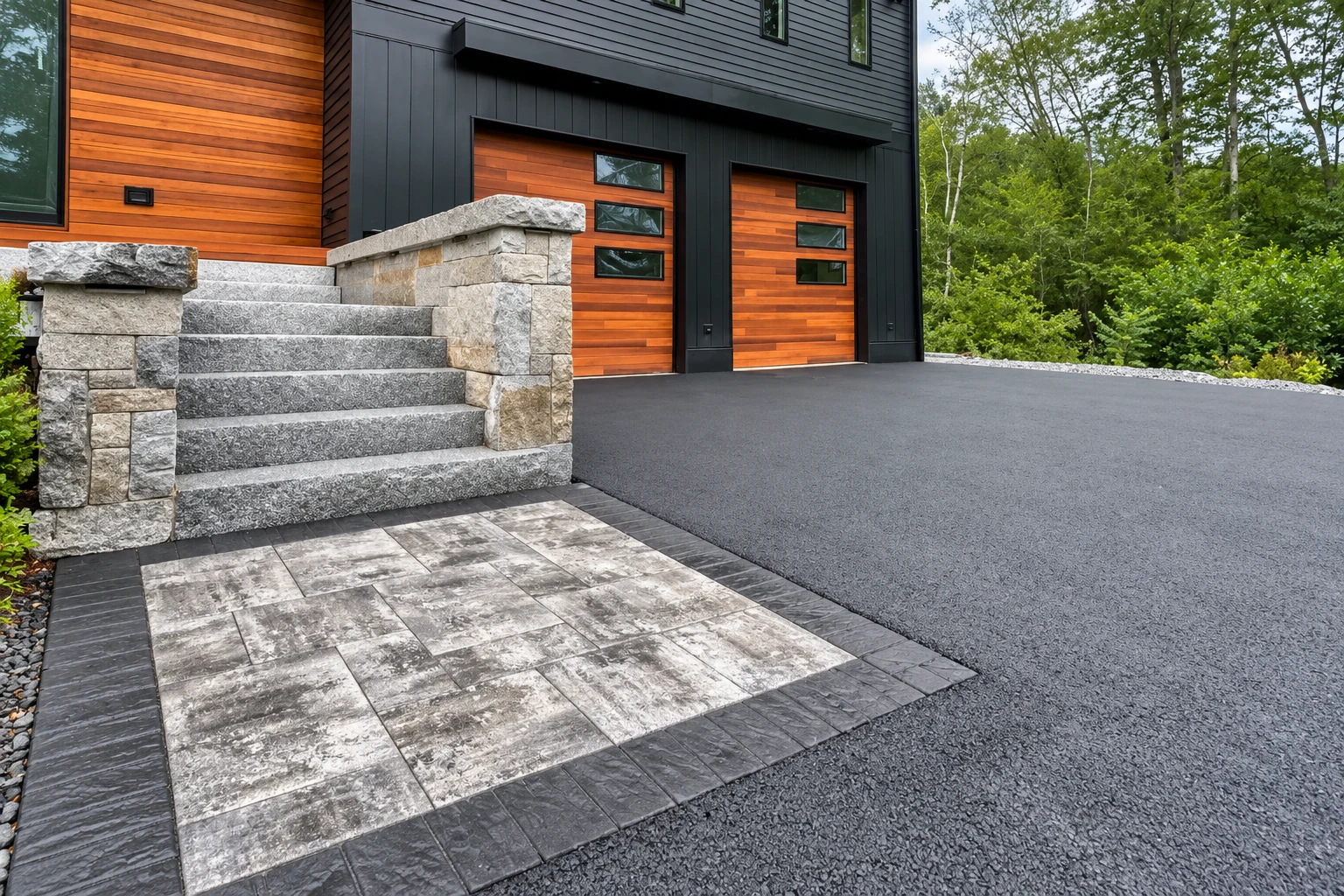
Concrete floor installation in Pomona, CA - a slab ready for what goes on top
Need a new concrete floor for a room, shop or addition? We pack the ground, pour and cure it so it's ready for your flooring.
- Fully licensed and insured.
- Free quotes on site.
- We reply within 1 business day.
What does it take to put in a new concrete floor?
Concrete floor installation in Pomona means digging out and packing the ground, then pouring, finishing and curing a new slab, so you get a durable floor that holds up under whatever goes on it. The pour is the quick part. Most of the time goes into the ground before it and the cure after it.
Most people who call about a floor have a bare room, an addition, a workshop or an old slab too broken to save, plus flooring they'd like to put down soon. The price mostly comes down to the size of the floor, how much digging and packing the ground needs, whether it gets rebar or a vapor barrier, and any decorative finish on top, while the schedule turns on that ground work and on a cure that can't be hurried. If a budget has to give somewhere, I'd rather trim the finish than the base, because the base is buried on day one and you only find out it was skimped when the floor sinks. My written estimate gives you the figure for your floor.
How do you know you need a new concrete floor?
Cracks that keep growing
Hairline cracks are normal, but ones that widen, spread or sit higher on one side usually mean the ground under the slab has moved. Every month you wait, more of the floor goes with it, and patching gets harder to justify.
A floor that dips or rocks
If a level finds a low spot, or a chair rocks in one corner, the fill underneath has usually settled or washed out. Any flooring laid over it will follow the dip, so it's cheaper to fix the slab before something new goes down.
Flooring that lifts or smells musty
Tile popping loose, vinyl bubbling or a musty smell from carpet can mean moisture is coming up through an old slab. Leave it, and the next floor covering usually fails the same way.
Our concrete floor installation, step by step
I start by looking at the ground, because a floor is only as good as its subgrade, the dirt and fill it sits on. We dig out what's soft, pack what's left and set the forms. Before anything gets poured, we talk through what's going on top of the floor, since a vapor barrier, a sheet that slows ground moisture rising into the slab, helps flooring but can add crack risk, and that's your call to make with the facts in front of you. Then we pour, finish the surface and cut control joints, shallow grooves that give the slab a planned place to crack. Once it's down, we keep the slab damp while it cures, the slow hardening that gives concrete its strength, and the ready-mix industry's guide says curing should start as soon as possible and keep the concrete moist for at least three days. I'll tell you when the heavy stuff can move in.
Floors often come with work right outside the door. If the new room opens onto the pool, we can build concrete pool decks that drain away from it, and when the floor ends up higher than the yard, we pour concrete steps so nobody's stepping off a ledge.
With a vapor barrier underneath
This suits a floor that will get wood, vinyl, carpet or a coating, because a national floor-building guide says a barrier protects those best when it sits right against the slab. The trade is that the ready-mix industry warns a barrier directly under the slab greatly raises the chance of cracking, especially with a wetter mix.
Without a vapor barrier
This suits a shop, a storage room or any floor that stays bare concrete, where a little moisture coming up won't ruin anything on top. You skip the added crack risk that comes with a barrier right under the slab.
Reinforced with rebar
Rebar, steel bars set inside the slab, suits floors that carry heavy shelving, machines or vehicles, because it helps hold the concrete together under weight. It adds to the price, so I'll tell you plainly if your floor doesn't need it.
Get a written estimate for your new floor
We reply within one business day to set a time for me to come see the space. The estimate is free, done on site and written down, and there's no pressure to book.
(909) 729-4086What concrete floor installation in Pomona needs from the city
The City of Pomona says certain work, construction and renovation among it, may need a permit, and its Building and Safety Department at City Hall, 909-620-2371, is the office that says which. Whether your floor needs one is their call, not mine, so we check before we schedule anything. When a job needs a permit, we pull it and handle the paperwork with the city. City permits for construction can also carry rules to keep runoff down and cut storm water pollution, so we keep washout water and concrete slurry out of the gutter and the street drain.
Much of what we see here is older houses getting a back room, an addition or a workshop floor, often with a tight side yard to get forms and a pump through. We're based in Pomona and pour the same kind of floors in Claremont and Montclair, along with other cities nearby.
What happens after you call about a new floor in Pomona?
Call or send a message
Call (909) 729-4086 or fill out the form, and we'll set a time for me to come out. Tell us roughly where the floor goes and when you need it.
I check the ground and measure
I look at the ground, measure and ask how you'll use the space, then send you a written estimate. It spells out what the job costs and whether it includes rebar or a vapor barrier, so you decide with the numbers in hand.
We handle permits and pour
If the job needs a permit, we take care of the paperwork, then my crew forms and pours. Pomona allows construction Monday through Saturday, 7 a.m. to 8 p.m., and not on federal holidays, so our work days fall inside those hours.
Walk the finished floor together
Before we pack up, we walk the floor with you and go over anything you want a second look at. You'll also know how to treat it while it finishes curing.
Frequently asked questions
How much does a new concrete floor cost in Pomona?
A new concrete slab in the Los Angeles area usually costs about $5 to $14 per square foot, and that's the going rate around the region, not a quote from us. One Los Angeles cost guide puts reinforced concrete above plain concrete per square foot, and its range leaves out staining or stamping, so a decorative finish adds to it. Your written estimate gives you the number for your own floor.
Will my new concrete floor crack?
Probably a little, because some random cracking should be expected in any slab, and reinforcement won't prevent it. What properly sized and placed reinforcement does is keep cracks tight, and the control joints we cut steer most of the cracking into lines we picked. Anyone promising a crack-free floor is selling something.
How soon can I walk on a new concrete slab?
You should be able to walk on a new slab within 48 hours, though the concrete keeps curing for about a month, 28 to 30 days. To be safe, plan on waiting a week before heavy furniture or equipment goes on it, and book deliveries for after that.
What causes a weak, dusty surface on new concrete?
Usually the top dried out too fast while it was setting, and heat, low humidity and wind all speed that up. A national hot-weather concreting guide says a windy, sunny day calls for stricter precautions than a calm, humid one at the same temperature, and these problems turn up mostly in summer but can happen any time of year. That's why we'd rather pour early in the day than at midday.
What license does a concrete contractor need in California?
In California, the state contractor board's concrete classification covers contractors who form, pour, place and finish flat and other concrete work. If a general building contractor is running your project, board guidance says it can take the concrete itself only if it holds that classification too, and otherwise it subcontracts the floor to a licensed concrete contractor. Ask which one applies before you sign.
How do I make sure the ground is ready before a concrete floor is poured?
Ask the crew how they'll remove the topsoil and soft spots and how they'll pack the soil or fill, by rolling, vibrating or tamping, because the ready-mix industry's guide lists those as the steps for ground under a slab. If the answer is that they'll rake it level and pour, keep shopping. A floor settles right along with whatever it's sitting on.
Pomona, CA
Get your new concrete floor priced
Have the rough square footage, the flooring or coating you plan to put down and your target date handy when you call, so I can price it with the barrier choice already in mind.